
Executive Summary (TL;DR)
-
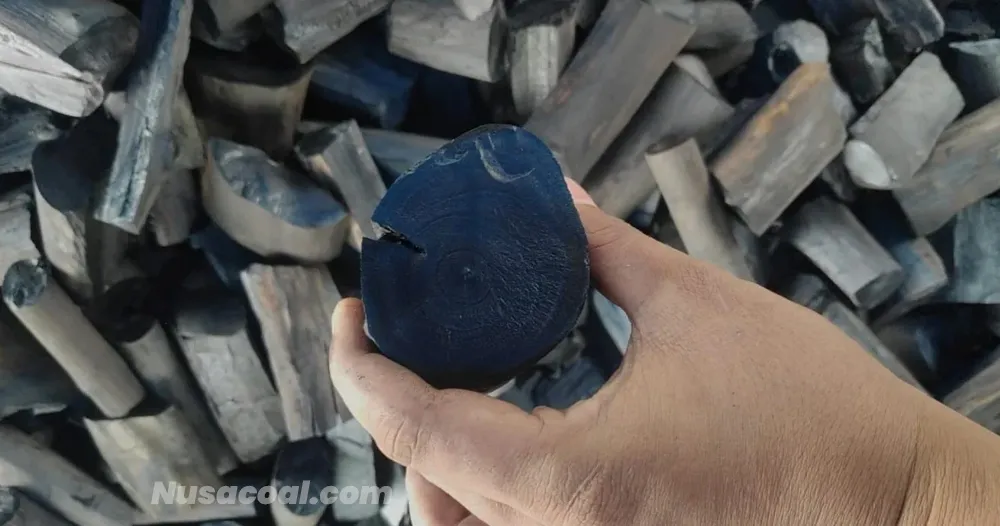
The hardwood charcoal production process using traditional brick dome kilns maximizes the Fixed Carbon yield to 75-80% while significantly minimizing residual ash.
-
Our rigorous charcoal quality control protocols meticulously manage the cooling phase to ensure the Moisture Content remains strictly below 8% for export.
-
Sourcing directly from an authentic Indonesia charcoal manufacturer like Nusacoal completely eliminates broker fees, providing highly competitive pricing for premium hardwood lump charcoal.
-
We offer completely optimized global logistics directly from our facility, ensuring secure FOB Tanjung Perak or CIF container shipping for all international B2B distributors.
Understanding the Hardwood Charcoal Production Process
Navigating the complexities of the global biomass fuel industry requires a profound understanding of how premium products are actually manufactured. Furthermore, as the demand from commercial culinary sectors and international BBQ chains surges, buyers must verify the origins of their supply. Consequently, analyzing the hardwood charcoal production process is absolutely essential for procurement officers aiming to secure top-tier fuel. This industrial knowledge directly empowers buyers to distinguish between artisanal, low-yield producers and professional manufacturing facilities.
The core of any high-quality carbonized product fundamentally relies on the thermal environment in which it is created. Primarily, the most consistent and energy-dense charcoal is manufactured inside engineered structures rather than rudimentary open pits. Therefore, understanding the mechanics of these controlled environments is the first vital step in optimizing your global supply chain. Ultimately, the method of production dictates the final chemical specifications of the fuel you import.
The Science of Pyrolysis in Carbonization
At its chemical core, making charcoal is not simply about burning wood. In fact, it is a highly controlled thermal decomposition process scientifically known as pyrolysis. Furthermore, pyrolysis requires the wood to be subjected to extreme heat in the absolute absence of oxygen. Consequently, if too much oxygen enters the system, the wood simply incinerates into useless white ash. Therefore, a professional Indonesia charcoal manufacturer must master this delicate balance to produce high-grade fuel.
Why the Dome Kiln is the Industry Standard
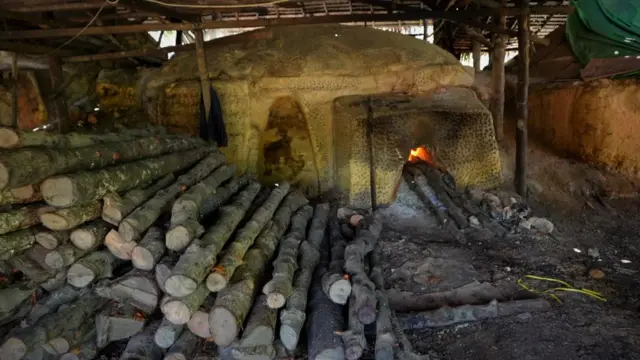
To achieve perfect pyrolysis on a massive commercial scale, industry leaders universally utilize traditional brick dome kilns. These specific architectural structures are engineered to trap and circulate intense heat with extraordinary thermodynamic efficiency. Moreover, the thick brick walls provide incredible insulation, ensuring the internal temperature remains perfectly stable for consecutive days. Subsequently, this controlled thermal environment allows the internal moisture and volatile gases to escape slowly without incinerating the core carbon matrix. As a result, the hardwood charcoal production process inside a dome kiln yields a significantly denser, longer-burning product.
Step-by-Step Hardwood Charcoal Production Process
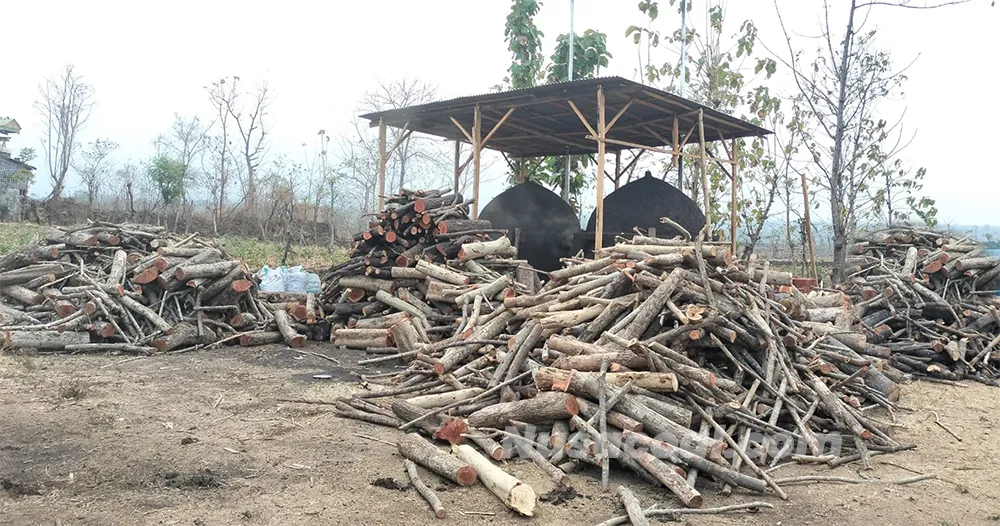
Producing export-grade hardwood lump charcoal is a meticulous, multi-stage industrial operation. Consequently, every single phase requires strict oversight to ensure the final product meets exacting international standards. Below is the comprehensive breakdown of how a direct factory transforms raw timber into premium commercial fuel.
Raw Material Selection and Preparation
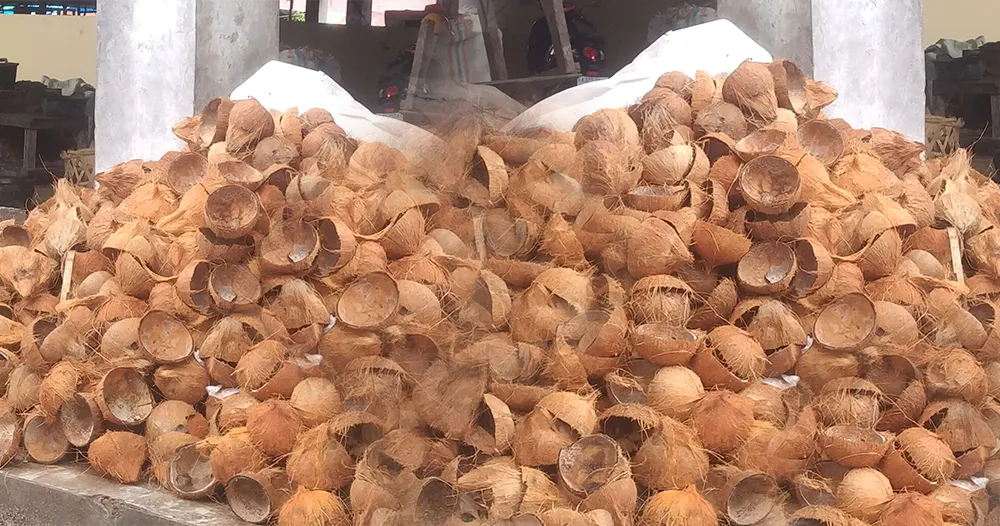
The foundation of exceptional charcoal undeniably begins with the rigorous selection of the raw materials. Furthermore, you cannot produce premium, long-lasting fuel from low-density agricultural offcuts or softwoods. Consequently, our factory strictly sources fully matured, high-density hardwood species directly from sustainable local plantations. This uncompromising selection guarantees that the baseline cellular structure of the wood is perfectly suited for high-heat carbonization.
Sourcing High-Density Hardwood
Different wood species possess vastly different lignin and cellulose densities. Therefore, we utilize specific hardwoods renowned for their incredibly dense cellular composition. Primarily, this high density translates directly into a heavier, longer-lasting charcoal lump that delivers intense searing heat. Ultimately, this specific raw material focus is exactly what top-tier commercial kitchens and restaurant chains demand.
Loading the Dome Kilns for Optimal Airflow
Once the raw hardwood is cut to the appropriate dimensions, the intricate loading phase begins. This is not a random dumping process; rather, it is a highly calculated structural arrangement. Furthermore, the wood must be stacked meticulously inside the dome kiln to allow for precise airflow and heat circulation. Consequently, skilled kiln operators arrange the logs vertically, ensuring that the thermal energy permeates the entire batch evenly. Therefore, this strategic stacking prevents the creation of unburnt, raw wood pockets at the bottom of the kiln.
The Ignition and Carbonization Phase
After the kiln is fully loaded and structurally sealed, the ignition process commences. However, the fire is only introduced to generate the initial heat required to trigger pyrolysis, not to burn the primary wood stack. Furthermore, once the optimal internal temperature (often exceeding 400°C to 500°C) is reached, all oxygen vents are systematically sealed. Consequently, the wood literally bakes in its own trapped thermal energy for an extended period, usually spanning 10 to 15 days. In fact, it is precisely during this prolonged baking phase that the wood’s molecular structure transforms into high-yield carbon.
The Crucial Cooling Phase
The most critical, yet frequently overlooked, step in the hardwood charcoal production process is the cooling phase. Once carbonization is entirely complete, the dome kiln must remain hermetically sealed to allow the charcoal to cool naturally. Furthermore, opening the kiln prematurely while the internal temperature is still elevated will cause the entire batch to instantly combust upon contact with oxygen. Consequently, this ambient cooling process can take an additional 7 to 10 days. Therefore, patience and strict temperature monitoring are absolutely vital to preserve the massive high carbon yield.
Comparative Analysis: Dome Kilns vs. Traditional Pit Kilns
To truly appreciate the value of professional manufacturing, B2B buyers must understand the stark differences in production methodologies. Below is a detailed technical comparison demonstrating why dome kilns remain vastly superior to rudimentary pit carbonization.
| Production Metric | Engineered Dome Kilns | Traditional Pit Kilns | B2B Operational Impact |
| Oxygen Control | Complete, hermetic sealing | Highly inconsistent | Prevents wood from turning into useless ash. |
| Temperature Stability | Highly stable, insulated heat | Fluctuates with weather | Ensures uniform carbonization across the entire batch. |
| Fixed Carbon Yield | 75% – 80% | 60% – 65% | Higher carbon delivers significantly longer burning times. |
| Ash Content | Maximum 2% – 4% | Often exceeds 8% | Low ash prevents commercial grill clogging. |
| Moisture Management | Controlled ambient cooling | Exposed to ground moisture | Guarantees fast ignition and zero fungal growth during transit. |
Expert Insight: Factory Case Study on Charcoal Quality Control
At our primary manufacturing facility, we deeply understand that flawless product consistency requires meticulous, human-led oversight combined with strict scientific protocols. For instance, to ensure unparalleled structural uniformity and maximum heat output, our charcoal quality control team continuously monitors the exhaust smoke color emitted from the dome kiln’s chimney. Specifically, the transition from thick white smoke (water vapor) to a thin, bluish-clear gas is the exact chemical indicator that the volatile compounds have been successfully eradicated. Furthermore, after the extended cooling phase, our trained QA personnel systematically conduct a rigorous manual sorting process directly on our factory conveyor lines. Controlling the ambient moisture during this exact sorting phase is absolutely critical to prevent any fungal development inside the shipping container during its lengthy maritime voyage. Consequently, this exhaustive, piece-by-piece factory-level sorting guarantees that our international clients receive perfectly carbonized, exceptionally clean hardwood lump charcoal in every single bag.
Sourcing from a Direct Factory and Logistics
Manufacturing a premium product is only half of the international B2B trade equation. Ultimately, highly efficient, uninterrupted logistics are fundamentally crucial for maintaining a profitable global supply chain. By directly partnering with the production source, you gain an unobstructed, fully transparent view of your entire order lifecycle. Furthermore, this direct relationship eliminates the myriad of communication delays typically associated with independent brokers.
The Financial Benefits of Bypassing Third-Party Traders
Purchasing through independent brokers consistently masks significant hidden costs that severely degrade your bottom line. Traders typically apply substantial, compounding markups to the base price of the commodity just to sustain their own administrative overhead. As a result, your company absorbs these artificially inflated costs, which subsequently diminishes your competitive pricing edge in your local retail market. In fact, dealing with a direct factory instantly stabilizes your procurement expenditures and dramatically maximizes your profit margins.
FOB Shipping and Container Optimization
Professional factories possess deep, institutional expertise in international export logistics, offering highly streamlined FOB shipping directly from major global hubs. Choosing FOB (Free On Board) shipping terms places the complex responsibility of local transport, port handling, and export customs clearance squarely on the factory’s experienced shoulders. Consequently, our logistics team meticulously optimizes the stuffing of every 40ft High Cube container to ensure you receive the absolute maximum tonnage possible. Therefore, you can focus entirely on your domestic distribution strategy while we expertly navigate the intricate complexities of Indonesian origin logistics.
Frequently Asked Questions (FAQ) for B2B Importers
Can I request custom OEM packaging for my retail brand?
Yes, we fully support comprehensive OEM packaging tailored specifically to your corporate brand’s unique retail design requirements.
-
We supply fully customized, double-layer Kraft paper bags (3kg, 5kg, 10kg).
-
Heavy-duty, branded woven PP bags are also available for 20kg industrial wholesale distribution.
How do you guarantee the fixed carbon percentage in your shipments?
We maintain incredibly strict oversight during the carbonization phase inside our dome kilns to ensure absolutely consistent chemical quality.
-
Continuous temperature monitoring is maintained throughout the entire 15-day burning cycle.
-
Pre-shipment independent laboratory testing is readily available upon buyer request.
What is the minimum order quantity (MOQ) for international FOB shipping?
To ensure logistical efficiency and maintain highly competitive factory-direct wholesale pricing, our standard MOQ is designed for serious bulk B2B buyers.
-
The minimum order is one standard 20ft container (approximately 17-18 metric tons).
-
However, 40ft High Cube containers are strongly recommended to achieve vastly superior freight economics.
How do you prevent mold and moisture buildup during long sea transit?
Moisture control is our absolute top priority during the final stages of production and specialized container stuffing.
-
Thorough sun-drying and extended ambient cooling occur before any packaging takes place.
-
We strategically apply heavy-duty industrial silica gel desiccants inside the walls of every shipping container to eliminate condensation.
Conclusion: Securing Your Global Charcoal Supply Chain
Establishing a highly reliable, high-volume supply chain is the fundamental cornerstone of a successful international biomass fuel business. Furthermore, navigating the inherent complexities of global trade, precise production methodologies, and premium product specifications requires a dedicated partner. Understanding the exact hardwood charcoal production process empowers you to make highly strategic, incredibly profitable procurement decisions. Ultimately, your real competitive advantage lies entirely in who you choose as your origin manufacturing partner in Indonesia.
Buying from third-party traders will only cut your business profit margins and risk supply quality inconsistencies. Therefore, secure your supply chain by partnering with NusaCoal (PT Berlian Hitam Group)—a direct charcoal manufacturing factory in East Java that guarantees high carbon specifications, strict manual sorting, and secure FOB/CIF container shipping worldwide.
Contact WhatsApp